


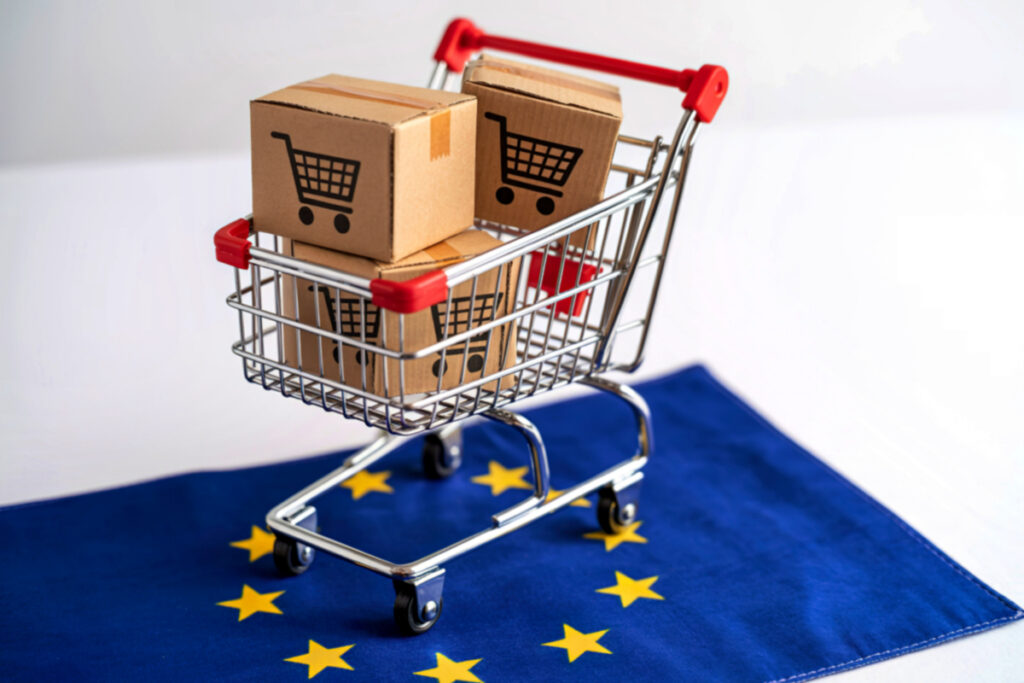
Starting November 1, 2026, new European Union customs requirements will affect e-commerce businesses shipping products into the EU. Two important changes include mandatory Product Identifiers (PIDs) for applicable e-commerce imports and a new €2 Union handling fee.
These changes are part of the broader EU Customs Reform 2026, which aims to modernize customs procedures, strengthen product traceability, and improve the processing of international shipments.
For U.S. e-commerce brands, online retailers, and businesses selling to European consumers, the November 1 deadline makes it important to review product information, customs documentation, and international shipping costs.
Here is what businesses need to know about the upcoming EU customs changes and how to prepare.
What Is Changing on November 1, 2026?
The European Union is introducing new customs measures designed to improve oversight of cross-border e-commerce shipments.
Two key requirements take effect on November 1, 2026.
1. Mandatory Product Identifiers (PIDs) for EU E-Commerce Imports
Beginning November 1, 2026, Product Identifiers become mandatory for applicable e-commerce imports into the European Union.
The requirement is designed to improve product traceability and help customs authorities identify goods that may not meet EU safety or regulatory standards.
For e-commerce businesses, this means ensuring that the required product identification information is available and can be included in customs declarations.
Businesses should review the accuracy and completeness of their product records, including:
- Product SKUs and descriptions
- Manufacturer or supplier part numbers
- Standardized product identifiers and barcodes, where applicable
- Harmonized System (HS) codes
- Country-of-origin information
- Customs values and supporting shipment documentation
While these data fields support accurate customs processing, they do not necessarily replace the specific Product Identifier required under EU rules. Companies should confirm the applicable identifier formats with their customs representatives and shipping partners.
Accurate and consistent product information can help reduce customs processing issues and support more reliable international fulfillment operations.
2. New €2 EU Customs Handling Fee
The European Union will also introduce a €2 Union handling fee beginning November 1, 2026.
The fee is intended to help cover the costs associated with customs supervision and processing of applicable imported goods.
Importantly, the €2 handling fee is separate from customs duties and should not be confused with the temporary €3 customs duty introduced earlier in 2026.
For international e-commerce brands, the new fee creates an additional consideration when calculating shipping expenses, landed costs, and product pricing for European customers.
Businesses should review the applicable fee rules and coordinate with their shipping partners to understand how these charges may affect their operations.
EU Customs Reform 2026: Important Dates and Deadlines
The November 1 requirements are part of a broader customs modernization process being implemented in stages.
July 1, 2026 – Temporary €3 Customs Duty
The EU introduced a temporary €3 customs duty for qualifying low-value e-commerce imports with a consignment value of up to €150. The duty is assessed according to the applicable tariff classification rules rather than simply per physical parcel.
November 1, 2026 – Mandatory Product Identifiers and €2 Handling Fee
Product Identifiers become mandatory for applicable e-commerce imports, and the new €2 Union handling fee takes effect.
July 1, 2028 – Next Phase of EU Customs Modernization
The EU plans to introduce the next phase of its customs data infrastructure for e-commerce imports, including the EU Customs Data Hub, alongside further changes to import processing.
For businesses shipping to the EU, these deadlines highlight the importance of staying informed and adapting customs and fulfillment operations as requirements evolve.
For additional regulatory details, visit the European Commission’s official EU Customs Reform page.
How Will the November 1 EU Customs Changes Affect E-Commerce Businesses?
The new EU customs requirements are particularly relevant to companies shipping products from the United States and other non-EU countries directly to European consumers.
As customs procedures become more data-driven, businesses may need to strengthen how product information is maintained and shared across inventory, fulfillment, shipping, and customs systems.
Several operational areas deserve attention.
Product Data Accuracy
Businesses should ensure that product records contain accurate identifiers, descriptions, and customs-related information. Missing or inconsistent data can create additional processing requirements.
Customs Clearance and Documentation
Complete and accurate customs declarations are essential for efficient international shipping. Incomplete documentation can contribute to clearance delays, inspections, or requests for additional information.
International Shipping Costs
The new €2 Union handling fee, together with existing customs duties and other import-related expenses, may affect landed costs and international pricing strategies.
Fulfillment and Technology Integration
Companies should review how product information moves between e-commerce platforms, warehouse management systems, fulfillment providers, and shipping carriers.
Customer Experience
Reliable customs processing helps businesses maintain predictable delivery timelines and avoid unnecessary disruptions for European customers. For growing e-commerce brands, preparing for these changes can help support more efficient and scalable cross-border operations.
How to Prepare for the November 1, 2026 EU Customs Deadline
Businesses shipping e-commerce orders into the European Union should take a proactive approach to the upcoming requirements.
Review Product Information
Audit product records to identify missing identifiers, incomplete descriptions, and inconsistent manufacturer information.
Confirm Product Identifier Requirements
Work with customs representatives, carriers, and logistics partners to determine which Product Identifiers are required for applicable shipments and how the information must be submitted.
Validate Customs Documentation
Review HS classifications, country-of-origin information, declared values, and supporting documentation to improve the accuracy of customs declarations.
Assess International Shipping Costs
Evaluate how the €2 Union handling fee and applicable customs duties may affect landed costs, product pricing, and international shipping strategies.
Coordinate With Logistics and Fulfillment Partners
Ensure that inventory and fulfillment systems can maintain and transmit the necessary product information to support customs processing.
Monitor Official EU Customs Updates
Follow regulatory announcements from the European Commission and consult shipping partners for implementation guidance relevant to your business.
Preparing ahead of November 1 can help reduce avoidable customs complications and support a smoother international shipping experience.
Frequently Asked Questions About EU Customs Reform 2026
When do the new EU customs requirements take effect?
Two important EU customs measures take effect on November 1, 2026: mandatory Product Identifiers for applicable e-commerce imports and the new €2 Union handling fee. Other elements of the EU Customs Reform follow separate implementation schedules.
What are Product Identifiers (PIDs) in EU customs?
Product Identifiers are data elements used to identify imported goods and improve product traceability. They help customs authorities assess product information and identify potentially unsafe or non-compliant goods.
Which businesses are affected by the November 1 EU customs changes?
The changes are particularly relevant to online retailers, e-commerce brands, marketplaces, and other businesses shipping qualifying goods from non-EU countries to consumers in the European Union.
What is the €2 EU customs handling fee?
The €2 Union handling fee is a separate customs processing charge taking effect on November 1, 2026, for applicable imports. Businesses should review official guidance to determine how the fee applies to their shipment types and customs arrangements.
Is the €2 handling fee the same as the €3 customs duty?
No. The temporary €3 customs duty took effect on July 1, 2026, for qualifying low-value e-commerce imports. The €2 Union handling fee is a separate measure beginning November 1, 2026.
Do U.S. e-commerce businesses need to update their product information?
Businesses shipping applicable products to EU consumers should review their product records and confirm whether additional Product Identifiers are required for customs declarations. Accurate data can help support efficient clearance and reduce avoidable delays.
How can businesses prepare for the EU customs deadline?
Businesses should review product identifiers, validate customs classifications, assess shipping costs, and coordinate with their fulfillment providers, carriers, and customs representatives before November 1, 2026.
Where can businesses find official information about EU Customs Reform 2026?
The European Commission provides official announcements, regulatory information, and implementation guidance through its EU Customs Reform website and its guidance on low-value e-commerce imports.
Prepare for EU Customs Changes With Bergen Logistics
As the November 1, 2026 deadline approaches, accurate product information, reliable customs documentation, and well-coordinated international fulfillment operations are becoming increasingly important.
Bergen Logistics supports e-commerce brands and retailers with technology-driven third-party logistics (3PL), inventory management, and international fulfillment solutions.
Through our logistics expertise and CloudX technology, we help businesses manage inventory and product information while supporting efficient fulfillment and shipping workflows.
Whether your business is already shipping to Europe or planning to expand internationally, our team can help you evaluate your fulfillment needs and prepare for evolving cross-border shipping requirements.
Have questions about the November 1 EU customs changes or how they may affect your international shipments?
Contact Bergen Logistics to speak with our team and learn how we can support your international e-commerce fulfillment operations.